

Breanne Aylward
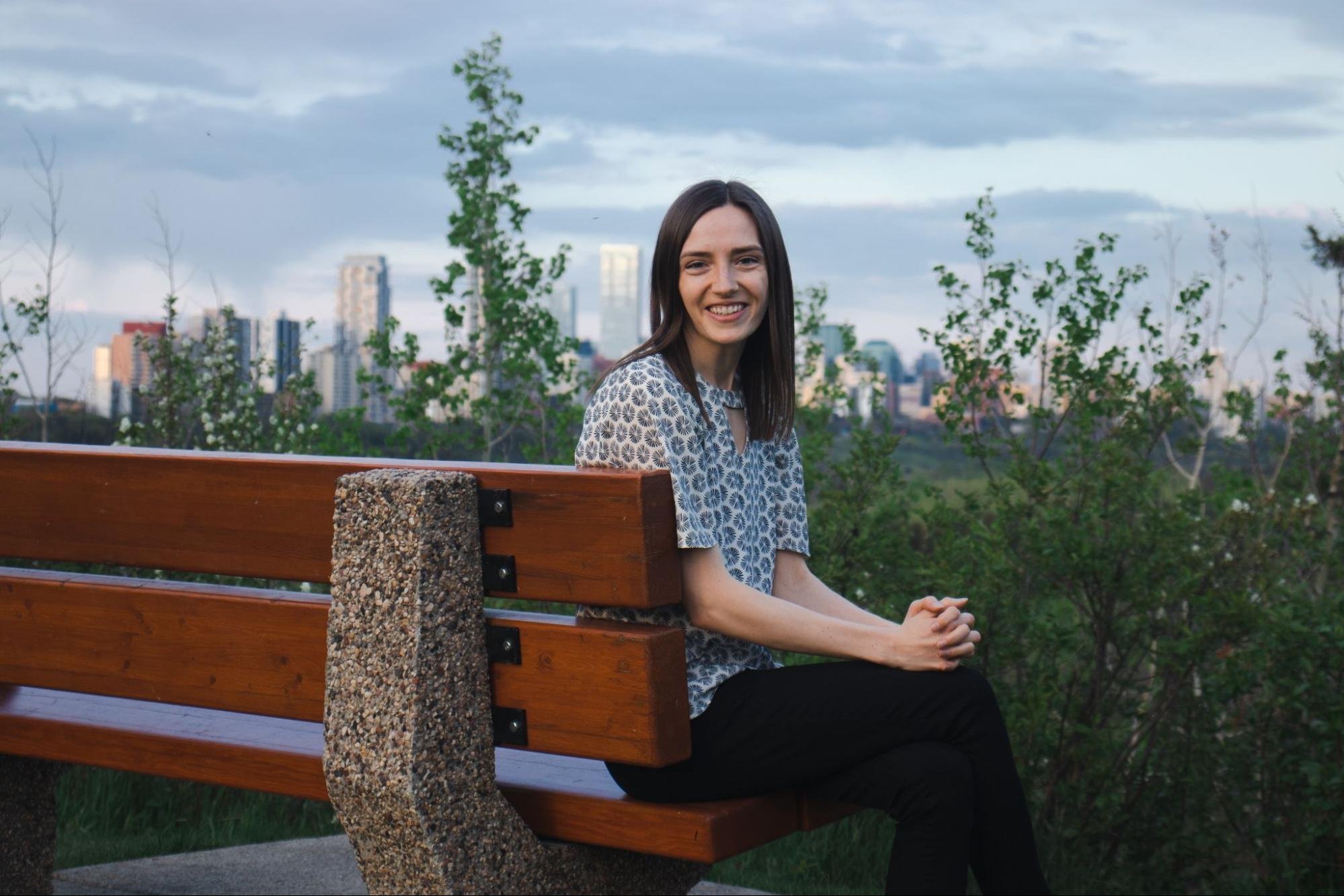
Dr. Breanne Aylward is an Assistant Professor at the University of Calgary. She holds a Doctor of Philosophy in Public Health, a Master of Science in Health Promotion and Socio-behavioural Sciences, and a Bachelor of Science in Biological Sciences. Breanne's research focuses on understanding and addressing the mental health impacts of climate change.

Hannah Bayne
Hannah Bayne (she/they) is a PhD Candidate and SSHRC Canada Graduate Scholar at the University of Alberta in ᐊᒥᐢᑲᐧᒋᐋᐧᐢᑲᐦᐃᑲᐣ (amiskwaciwâskahikan) in the Climate Change and Global Health Research Group. Her research explores the impacts of climate change on psychosocial well-being, using community and arts-based research methodologies to examine how collective music-making can address climate grief and anxiety. Hannah is active in science communication and community outreach, primarily working with children and young people in schools to build climate change and health literacy.

Caroline Bomfim
Dr. Caroline Bomfim is a human geographer and environmental engineer with an interdisciplinary research background spanning climate change, social justice, and community development. She is currently a postdoctoral fellow with the Community-University Partnership (CUP) in the School of Public Health at the University of Alberta. Her research examines how communities and public institutions navigate social and environmental change, with particular attention to the relationships, knowledge, and everyday practices that shape these processes. Her research experience spans climate justice, governance, social inclusion, community and economic development, and research impact. Drawing on participatory action research, community-engaged research, and collaborative knowledge production, she explores how research can contribute to more equitable, resilient, and sustainable futures.
Susan Clayton
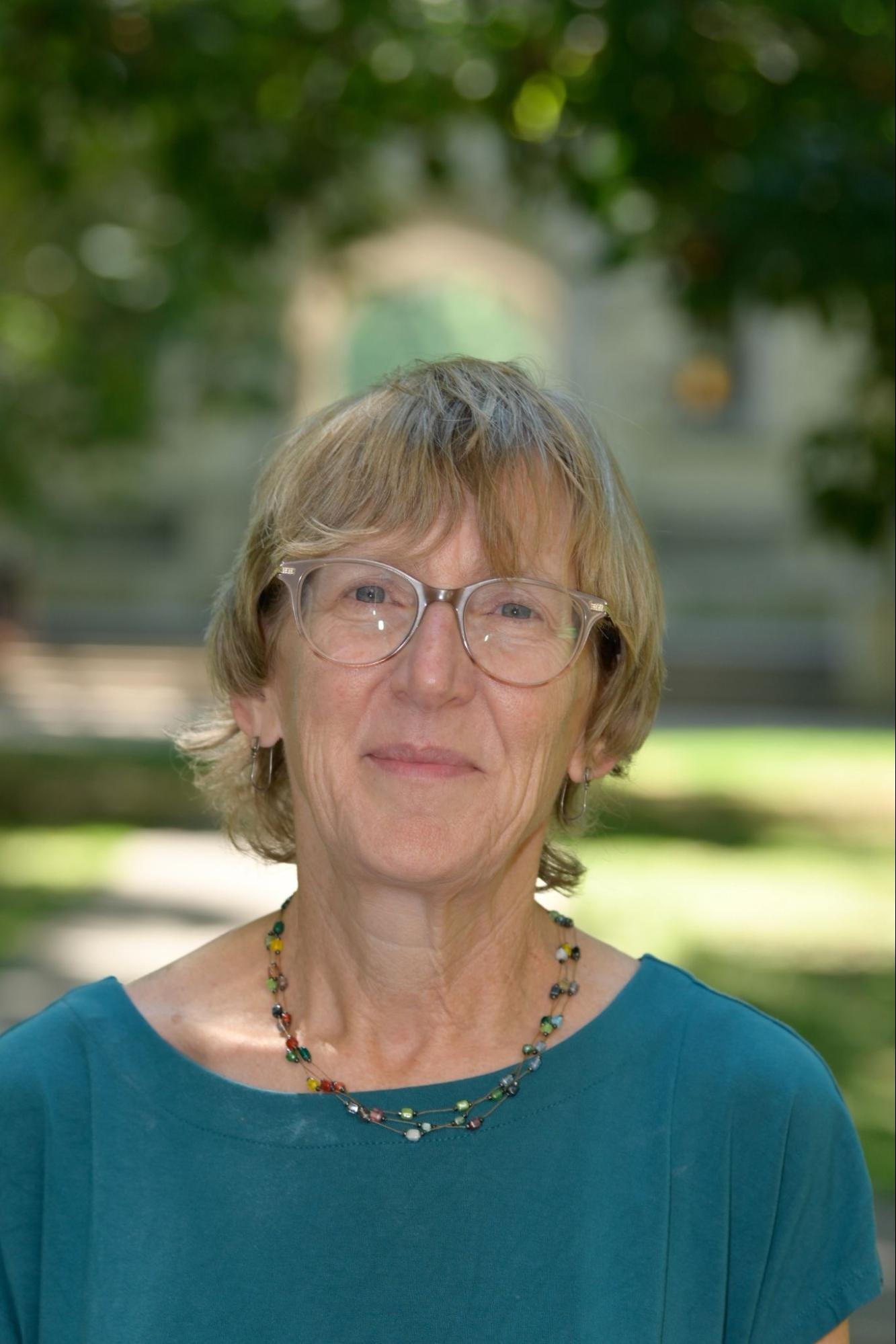
Dr. Susan Clayton is a social psychologist at the College of Wooster whose research examines people’s relationship with the natural environment. She is co-author of the widely used Climate Change Anxiety Scale and was a lead author on the Sixth Assessment Report of the Intergovernmental Panel on Climate Change.
Ashlee Cunsolo
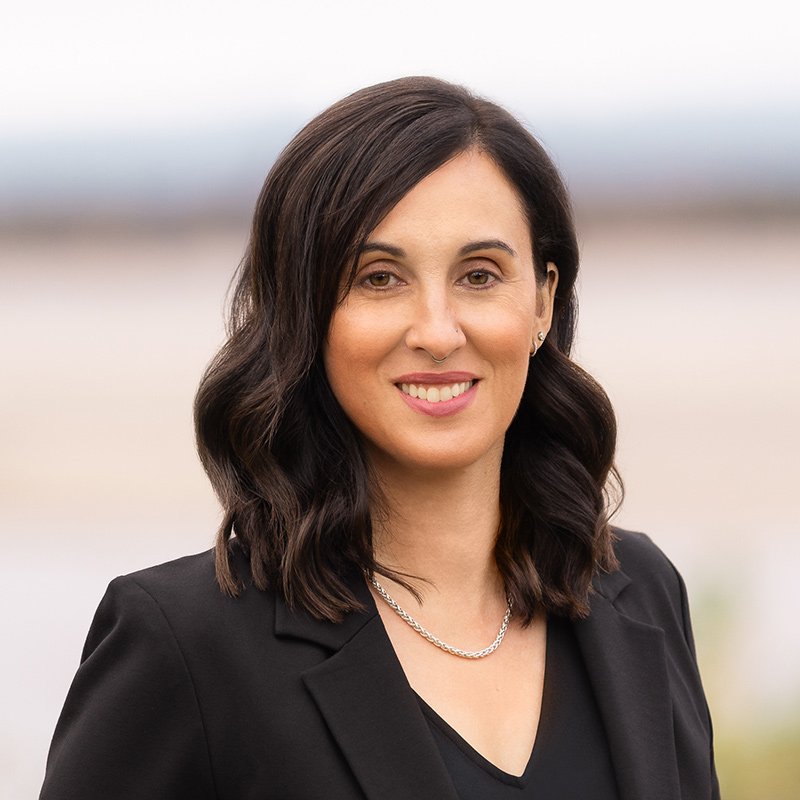
Dr. Ashlee Cunsolo is an internationally recognized scholar and the Provost and Vice-President Academic at Acadia University. A leading researcher on climate change, menta health, and ecological grief, particularly in Labrador and across the North, she has contributed to multiple IPCC reports and national climate-health assessments. Ashlee is interested in the climatic, social, environmental, and cultural determinants of Indigenous health, intercultural learning and dialogue, environmental ethics, and the social justice implications of social, environmental, and health inequality.
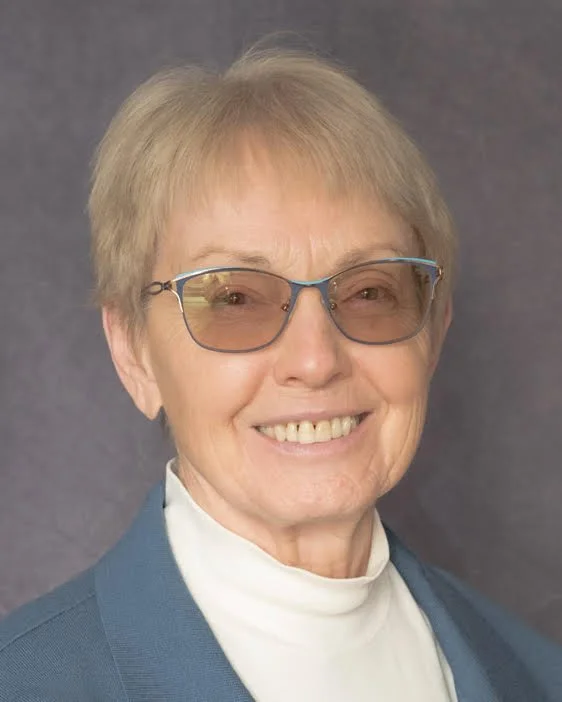
Kristie Ebi
Dr. Kristie L. Ebi, Ph.D., MPH is a Professor in the Center for Health and the Global Environment (CHanGE) in the School of Public Health, University of Washington. She has been conducting research on the health risks of and adaptation to climate variability and change for more than 30 years. Her research focuses on estimating current and future health risks of climate change; designing adaptation policies and measures to reduce the risks of climate change in multi-stressor environments; and quantifying the health co-benefits of mitigation policies. She was an author for the UNEP Limiting Overshoot report and led the WMO Global Scientific Synthesis Report on Extreme Heat and Health, released in Oct 2026. She was a lead author for the Intergovernmental Panel on Climate Change (IPCC) 6th assessment cycle, including the special report on warming of 1.5°C and the human health chapter for Working Group II. She co-chairs the International Committee On New Integrated Climate change assessment Scenarios (ICONICS) and is a member of Future Earth and the Earth League. Her scientific training includes an M.S. in toxicology and a Ph.D. and a Master of Public Health in epidemiology, and two years of postgraduate research at the London School of Hygiene and Tropical Medicine. She edited four books on aspects of climate change and has more than 300 peer-reviewed publications.
Matthias Garschagen
Dr. Matthias Garschagen’s research focuses on risk, vulnerability, adaptation and transformation in the context of environmental hazards and climate change, particularly in cities. He is most interested in the ways urbanization and other societal changes shape future trends in risk, exposure and vulnerability in relation to environmental and climate hazards. A second focus is on the evaluation of different adaptation options, including to floods, heat waves and cyclones, and the governance of risk reduction, particularly at the interface of state and non-state actors. In his research, Prof. Garschagen combines a global view with regional and local expertise in Southeast Asia (especially Vietnam, Indonesia, the Philippines and Singapore), South Asia (especially India), West Africa (especially Ghana and Nigeria) and Europe (especially Germany).
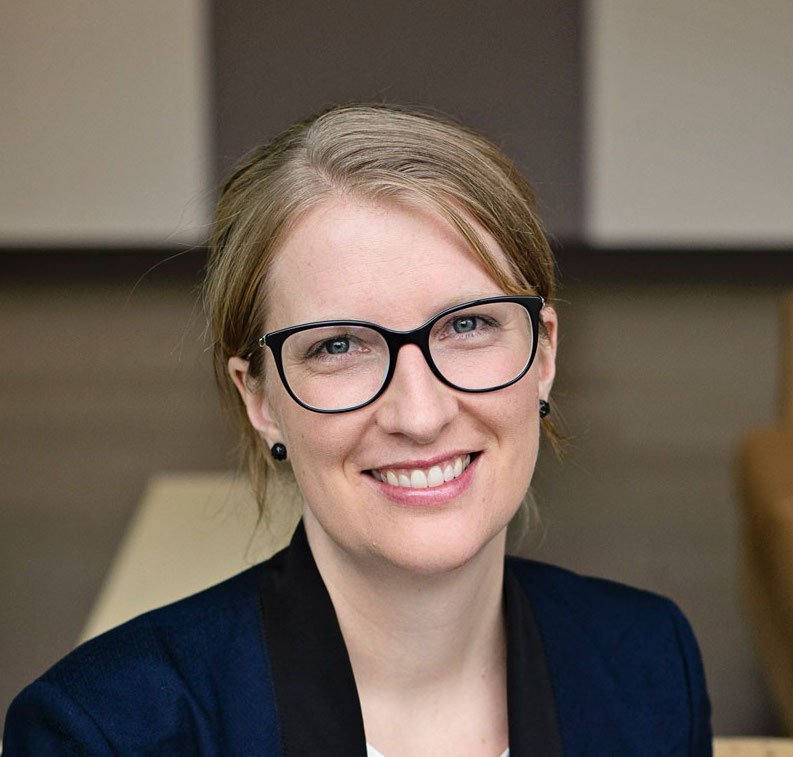
Sherilee Harper
Dr. Sherilee Harper is a Professor and Canada Research Chair in Climate Change and Health at the University of Alberta, and an IPCC Vice Chair. Her research focuses on climate change, health equity, and wellbeing, with a strong emphasis on collaboration across sectors to advance climate and health action. She is lead PI on the IMPACT project, which addresses the social and equity dimensions of mental wellness and resilience in the face of climate threats.
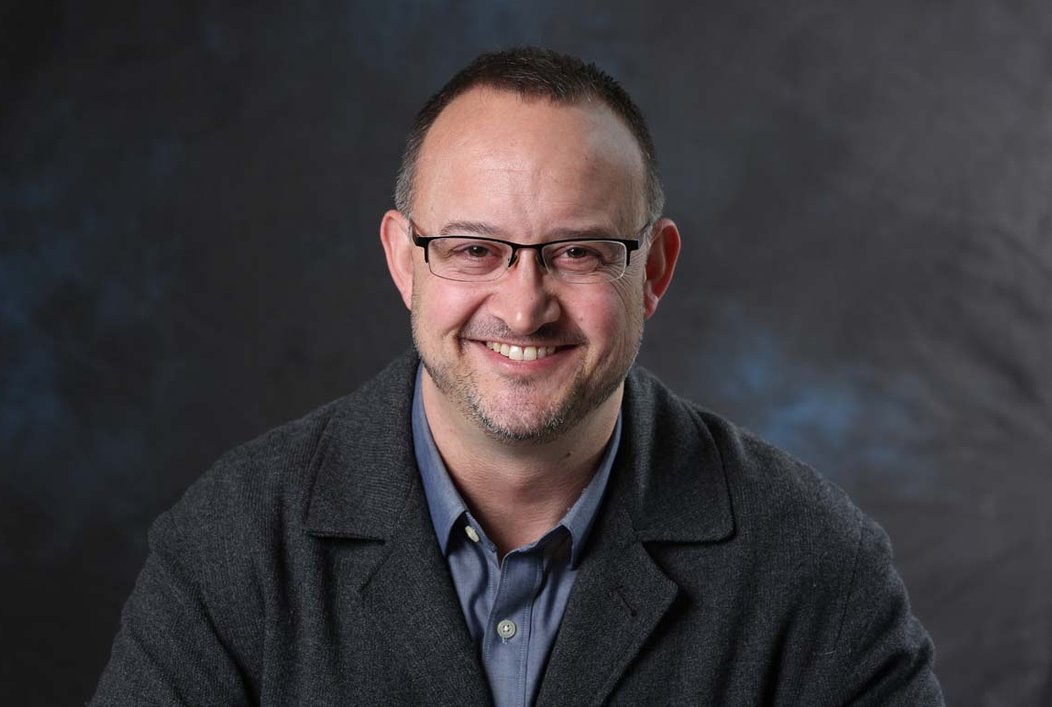
Jeremy Hess
Dr. Jeremy Hess, MD MPH is Professor of Emergency Medicine, Environmental and Occupational Health Sciences, and Global Health at the University of Washington, where he directs the Center for Health and the Global Environment (CHanGE). His research focuses on climate change and health. He has served as lead author on several national and international climate assessments and worked as a senior medical adviser to the Centers for Disease Control and Prevention (CDC). He is a recipient of the Presidential GreenGov award.
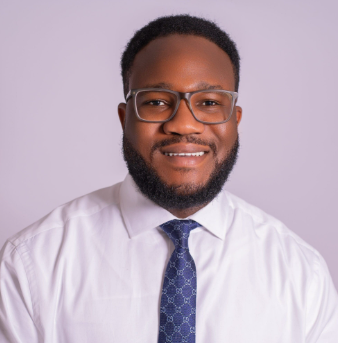
Steven Kator Iorfa
Dr. Steven Kator Iorfa (FHEA) is an Environmental Psychologist and professor at the University of Newcastle. His research focuses on understanding the impacts of environmental changes on mental health/wellbeing and the psychological drivers of sustainability transitions. He is an associate editor for Environmental Psychology Research and consulting editor for Journal of Psychology in Africa.

Andria Jones
Dr. Andria Jones holds a DVM and PhD degree and is a full Professor of Epidemiology at the Ontario Veterinary College, University of Guelph. Her research centres on the mental health, wellbeing, and resilience of farmers within various contexts, including climate change and community belonging. She uses mixed methods (quantitative and qualitative) and participatory action research approaches. Andria has completed a certificate program in Applied Positive Psychology, another in Emotional Intelligence, and is a certified resilience trainer. Her team’s research outcomes have influenced federal policy and supported agricultural mental health and wellbeing programming. Andria loves Canadian agriculture and is proud to work with farmers and rural communities.
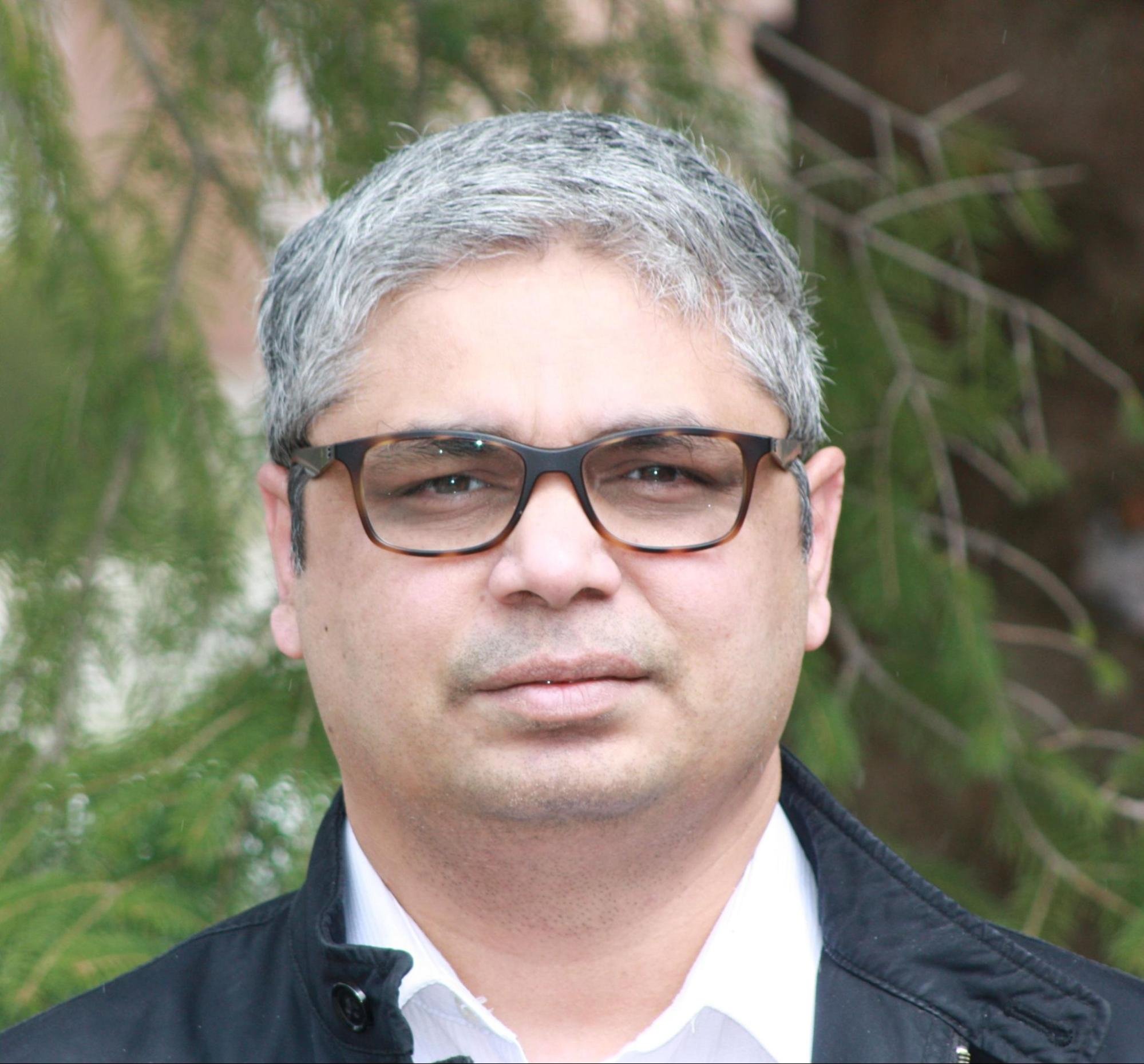
Salah Uddin Khan
Dr. Salah Uddin Khan is a public health professional and an epidemiologist. He holds a PhD in Public Health from the University of Florida and was a CIHR Health System Impact Fellow. Dr. Khan specializes in climate change and health, infectious disease modeling, and public health policy. His career highlights include leading research on the health impacts of climate change for University of Alberta and the Public Health Agency of Canada, managing COVID-19 mobility analytics at BlueDot, and advancing zoonotic disease surveillance in Bangladesh. A prolific researcher, Dr. Khan has published extensively in peer-reviewed journals and international conferences
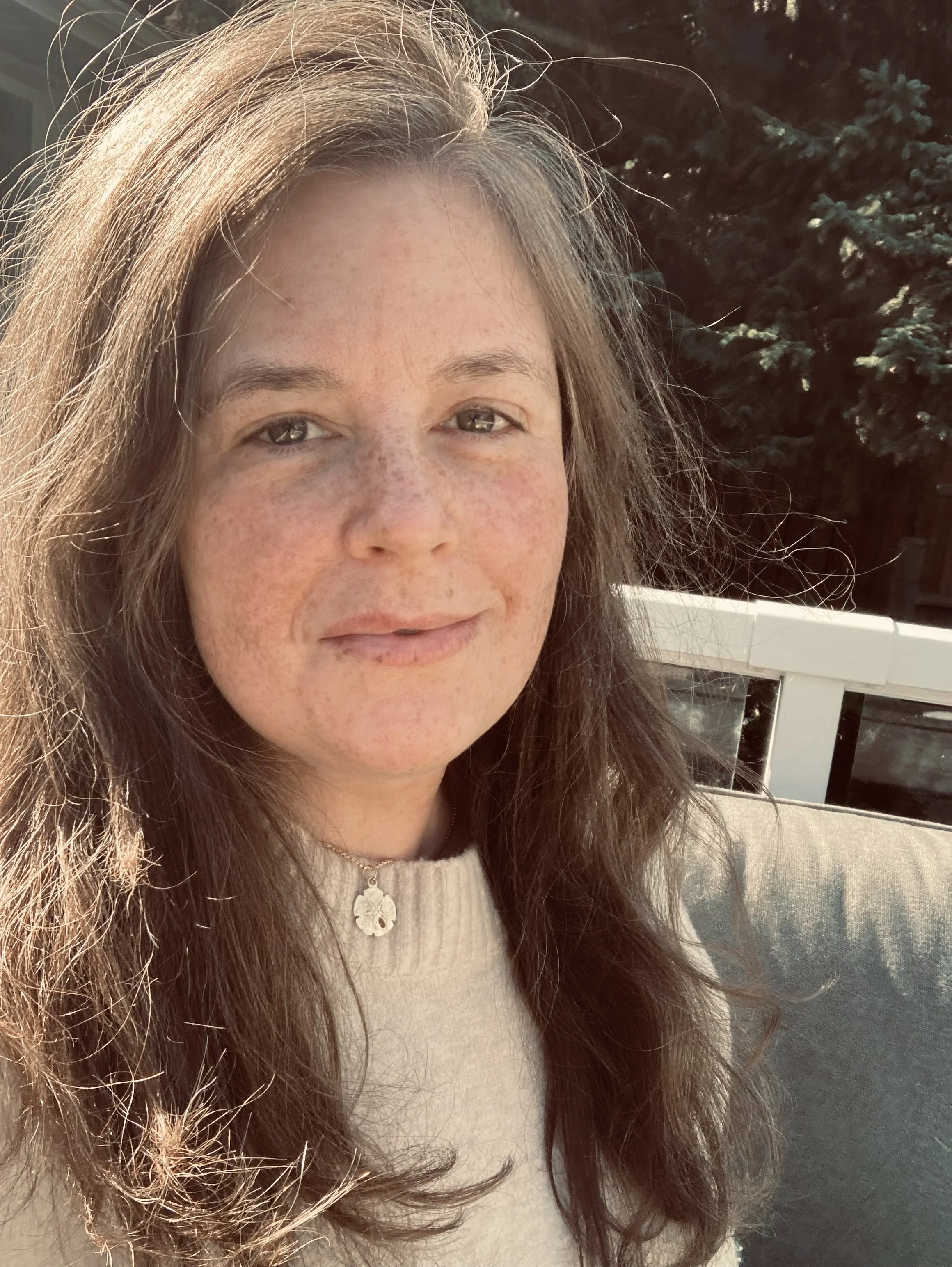
Katie Lewandowski
Katie Lewandowski (She/Her) is a researcher with the Edmonton IMPACT team. She is the Research Coordinator at Just Powers at the University of Alberta. She has worked in the field of Energy Humanities since 2021, contributing to a variety of interdisciplinary, intermedia, research-creation teams and projects. In past lives, she has worked as an editor and writer. She holds a Master’s degree in literature from Montreal’s Concordia University and recently completed the certificate program at the Centre for Community-Based Research.
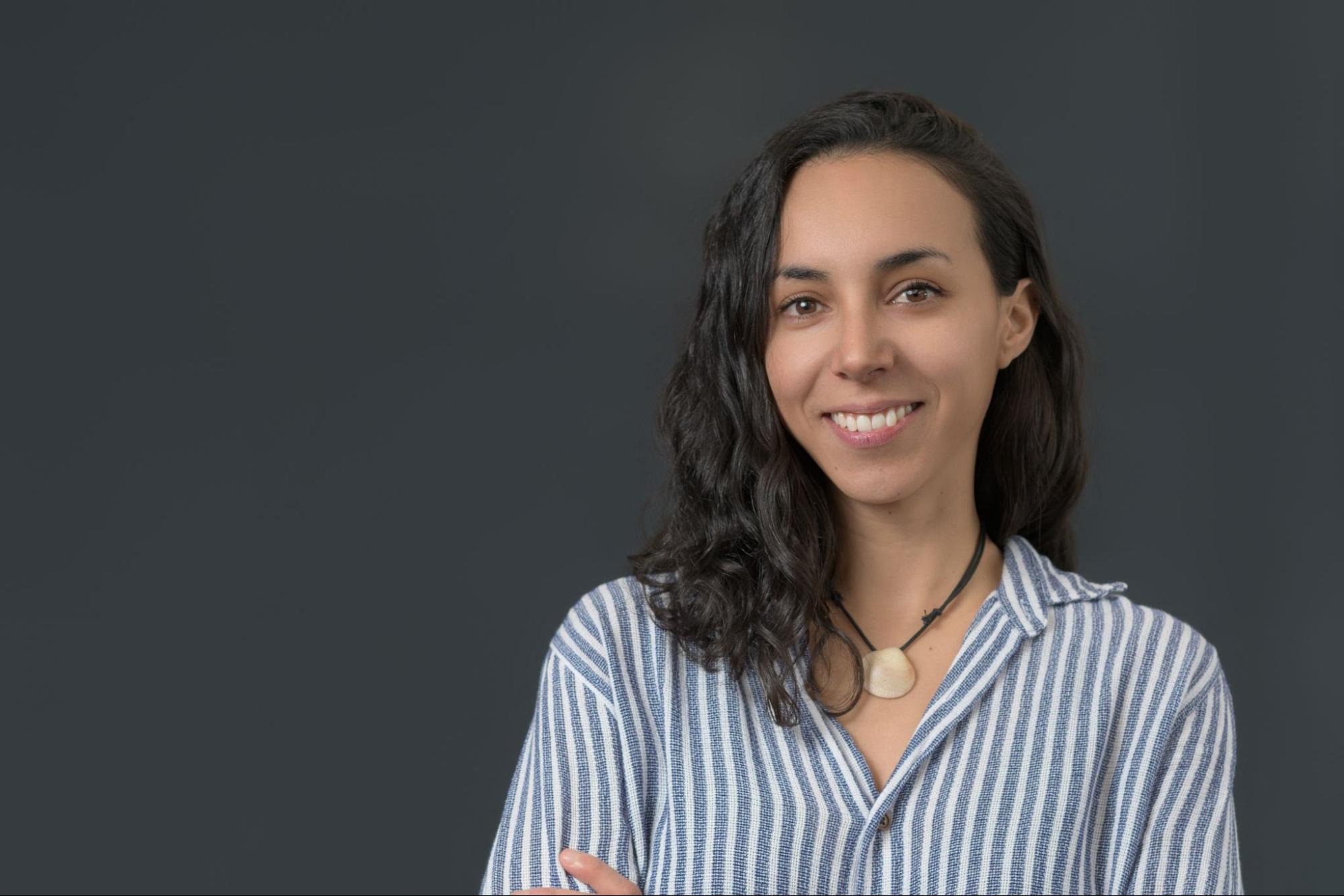
Marina Banuet Martinez
Dr. Marina Banuet Martinez is a Postdoctoral Fellow at the School of Public Health, University of Alberta. She has a multidisciplinary background that spans natural, social, and health sciences. Her research focuses on how climate change impacts ocean and coastal social-ecological systems and the impacts on health and well-being, particularly in small-scale fishing communities and coastal areas. She employs One Health and Planetary Health frameworks and uses mixed methods to link environmental changes with lived experiences, equity, and resilience. Marina collaborates with local partners and is involved in global research networks. As an early-career scientist from the Global South, she is dedicated to promoting inclusive science-policy processes, interdisciplinary collaboration, and clear communication to advance equitable climate action.
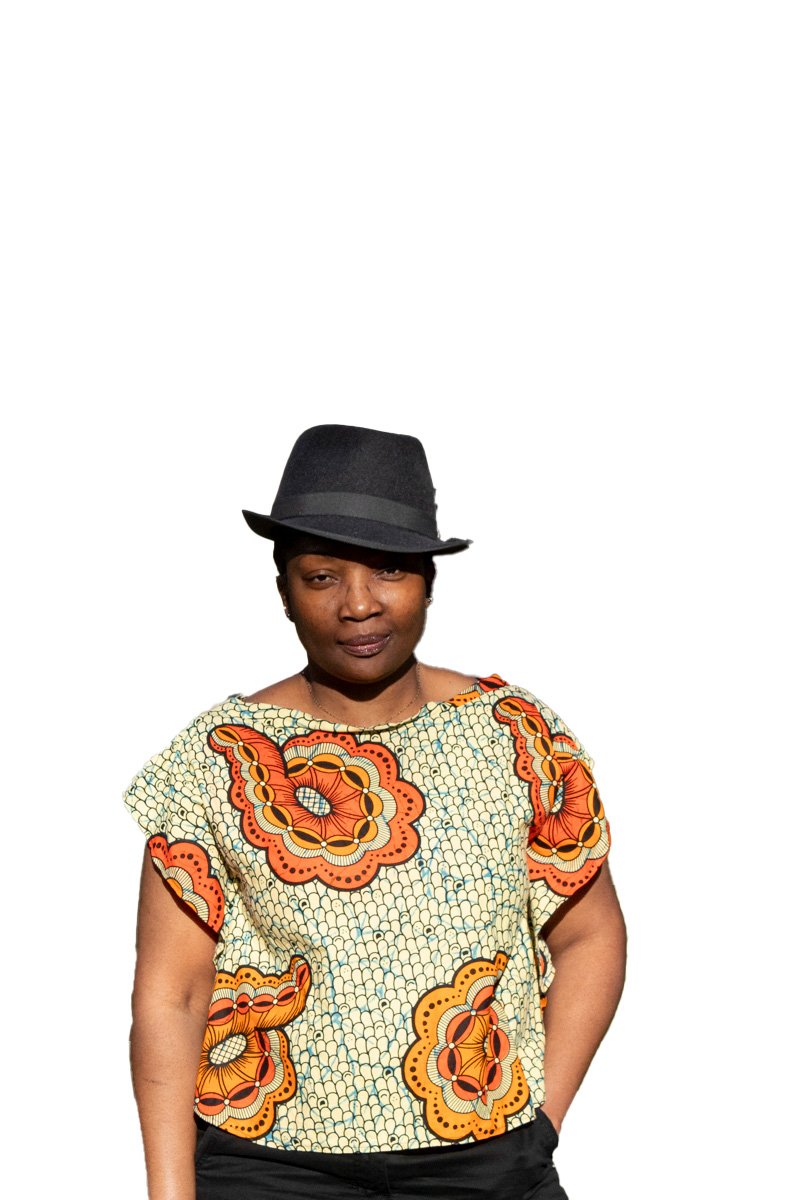
Marsha Hinds Myrie
Dr. Marsha Hinds Myrie’s life and work are an embodiment of dualities and intersections. She is a Barbadian/Canadian citizen with an ancestral, cultural, and intellectual home in Africa. Her career unfolds, sometimes spectacularly and sometimes confusingly, at the intersections of activism and education. She is a public intellectual steeped in the Caribbean intellectual tradition and critical studies.
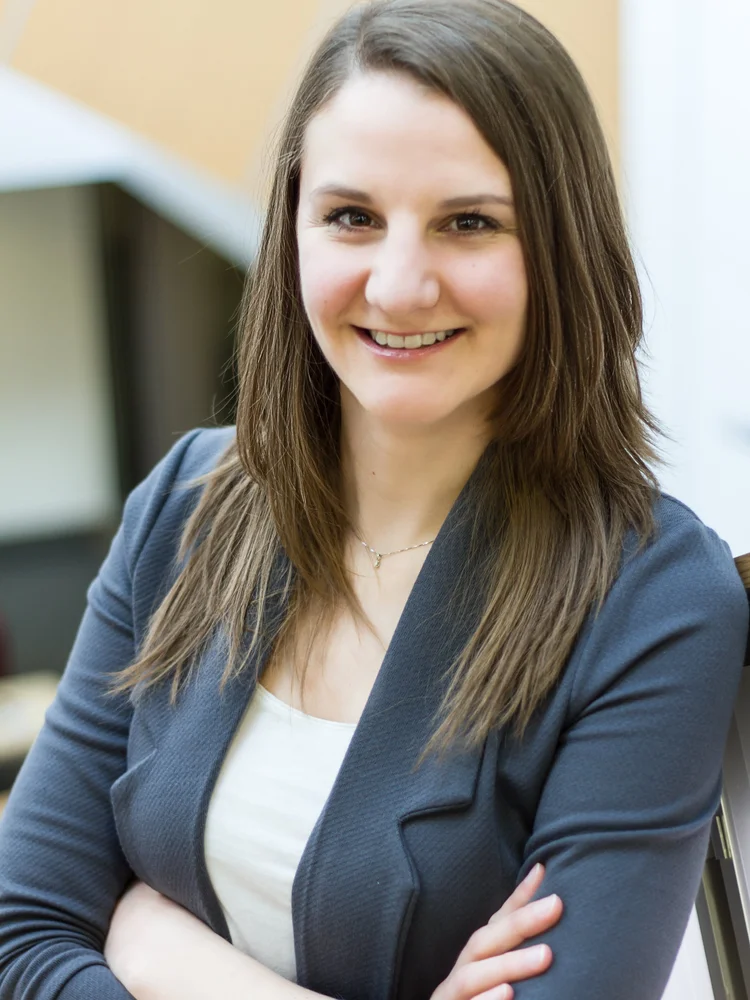
Megan Sommerville Nuspl
Megan Sommerville Nuspl completed her MPH in Health Promotion, and holds a BSc in Nutrition, both from the University of Alberta. She has worked in a number of health research settings and has extensive experience with systematic and scoping evidence reviews.
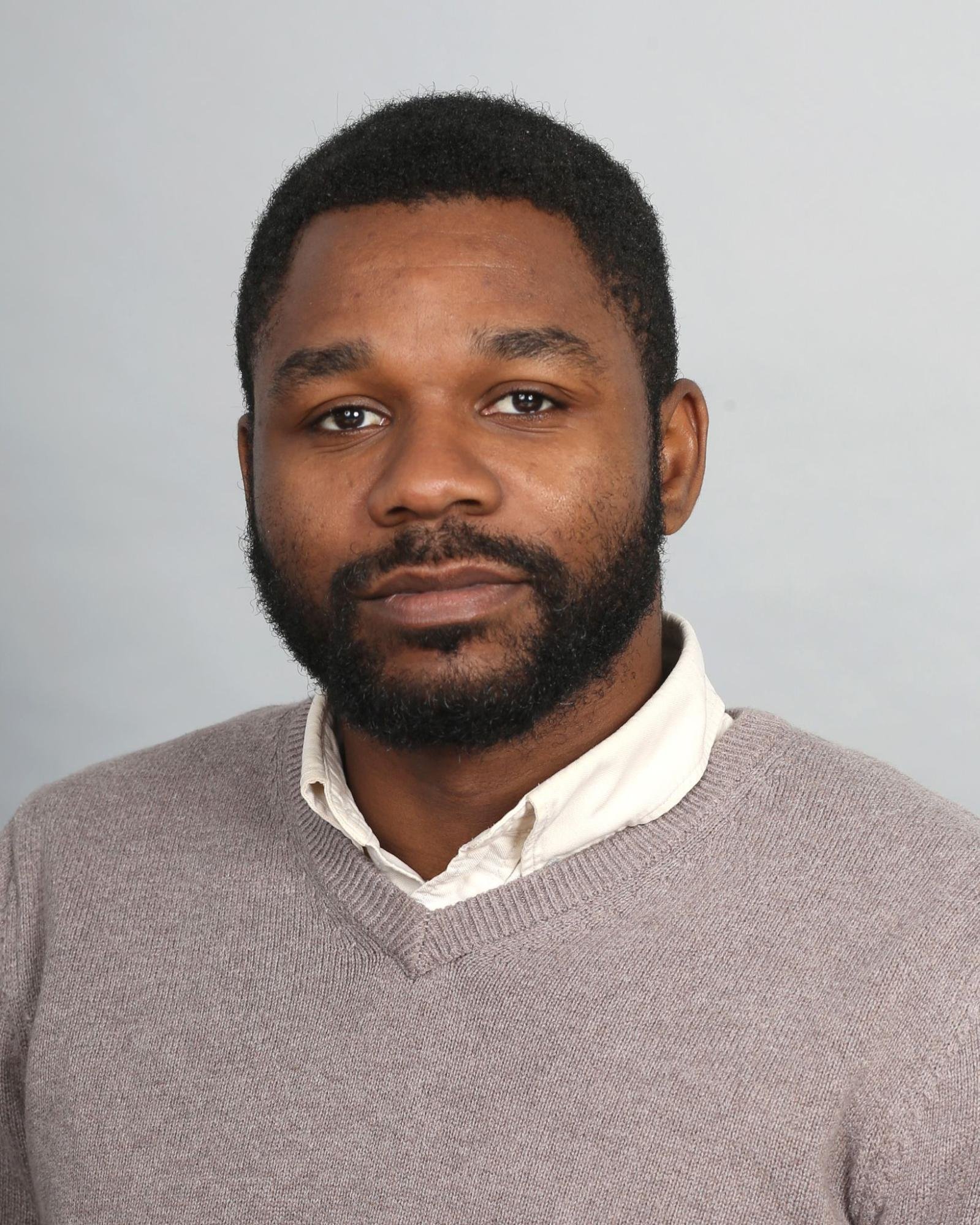
Charles Ogunbode
Dr. Charles Ogunbode is an Assistant Professor in Applied Psychology at the University of Nottingham and a Co-PI on the IMPACT project. His research centres on lived experiences of climate change, climate emotions, and climate-mental health pathways, with a particular focus on how racial, geographic, and economic inequalities shape exposure to climate harm and access to psychological resources. Grounded in a decolonial, justice-oriented approach, his work positions African and other Global South communities as key sites of theoretical innovation. He serves as a Section Editor (Environmental Impacts) at PLOS Mental Health, Associate Editor at Global Environmental Psychology, and on the Editorial Boards of the Journal of Environmental Psychology and Environmental Psychology Research. Prior to joining the University of Nottingham, he completed a PhD in Psychology at the University of St Andrews.
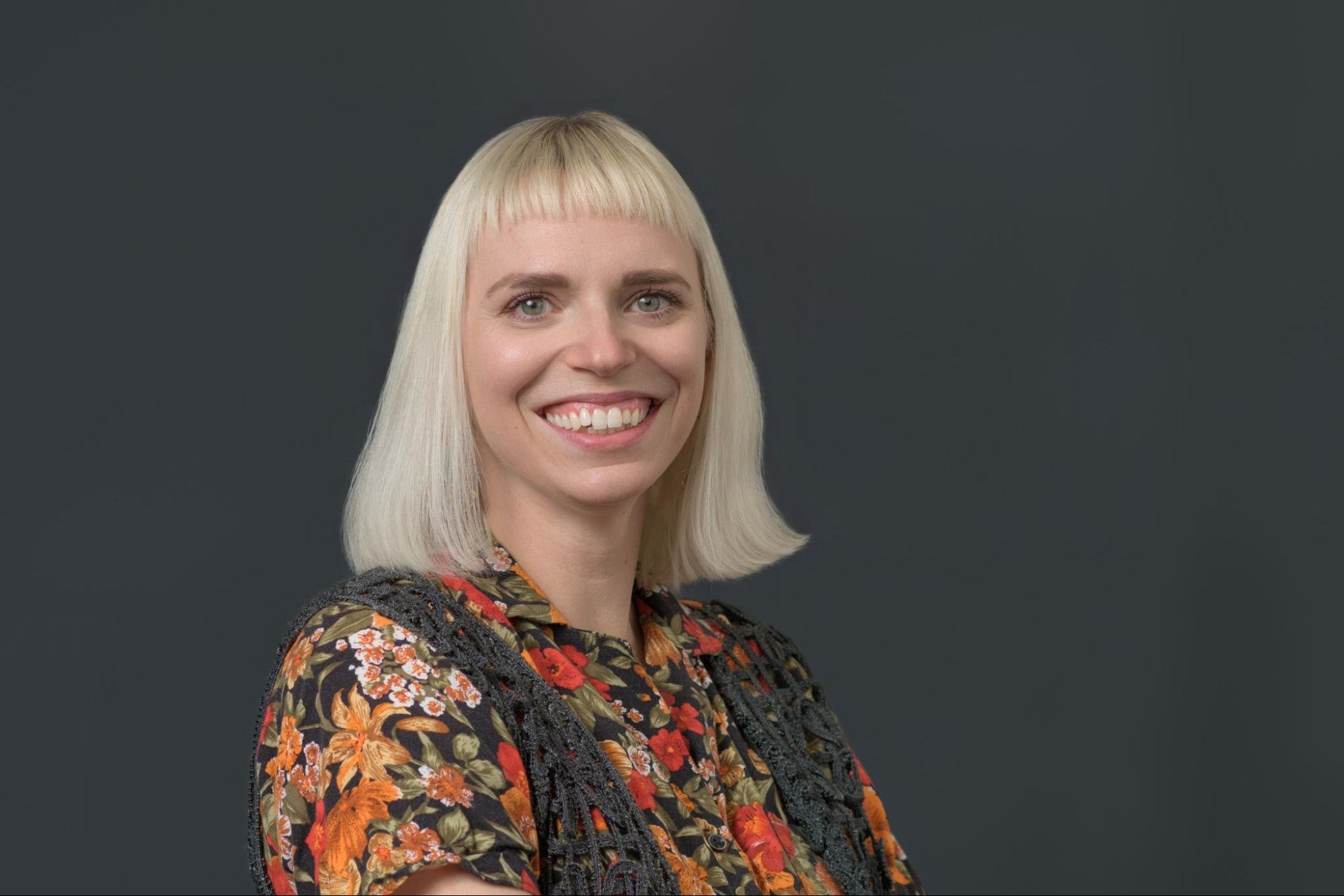
Stephanie Olsen
Stephanie Olsen is researcher in the Climate Change and Global Health Lab at the University of Alberta whose work focuses on climate change, mental health, and the role of collective grieving practices in supporting wellbeing and climate action. She coordinates the IMPACT project. She is also a facilitator with Refugia Retreats, a climate-mental health organization in Alberta.
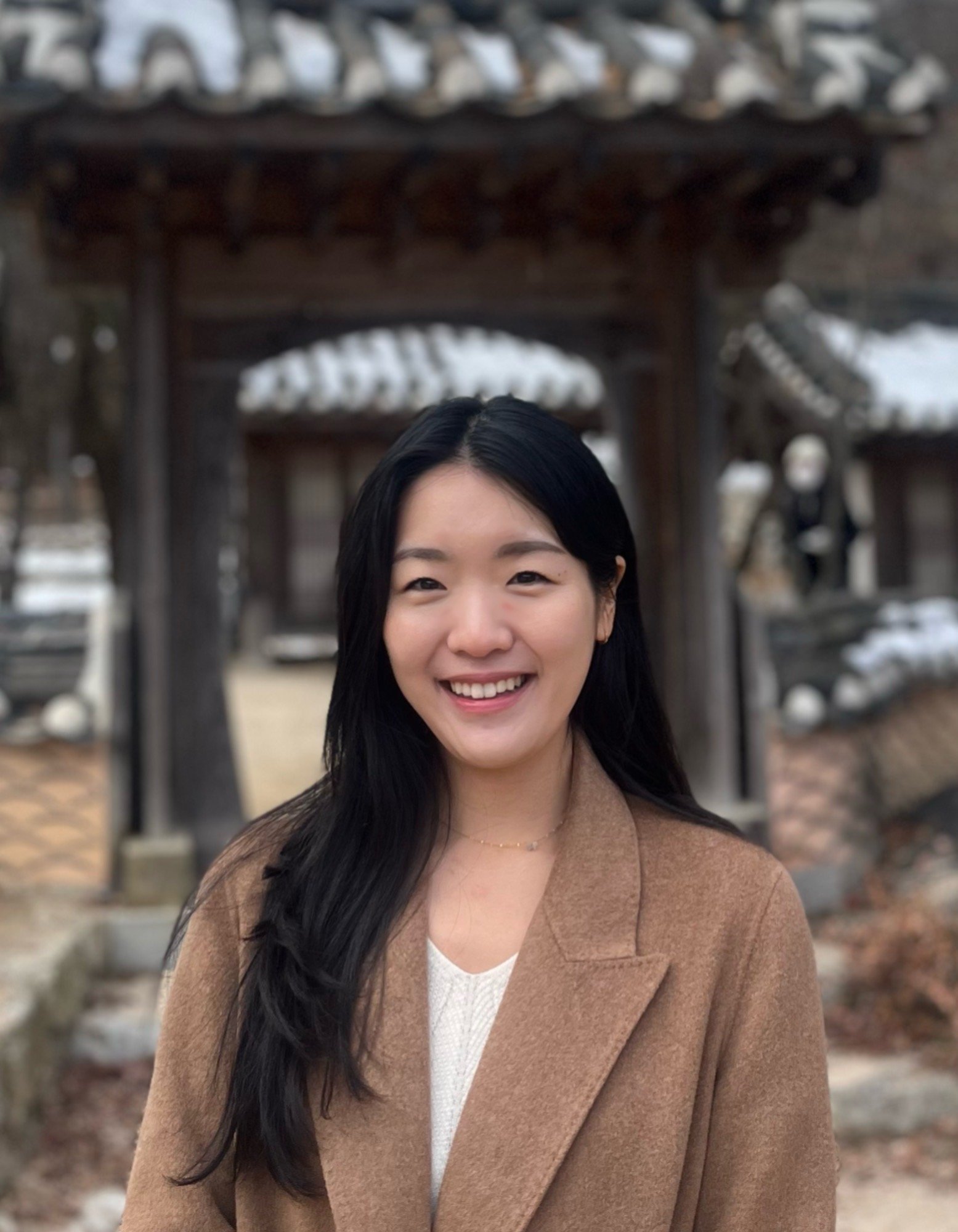
Haemin Park
Haemin Park is a Ph.D. student in the Department of Environmental and Occupational Health Sciences at the University of Washington, advised by Professor Kristie Ebi. Her research examines the intersection of climate change and mental health in Pacific Island countries, with broader interests in climate and health impacts on vulnerable populations and climate equity.
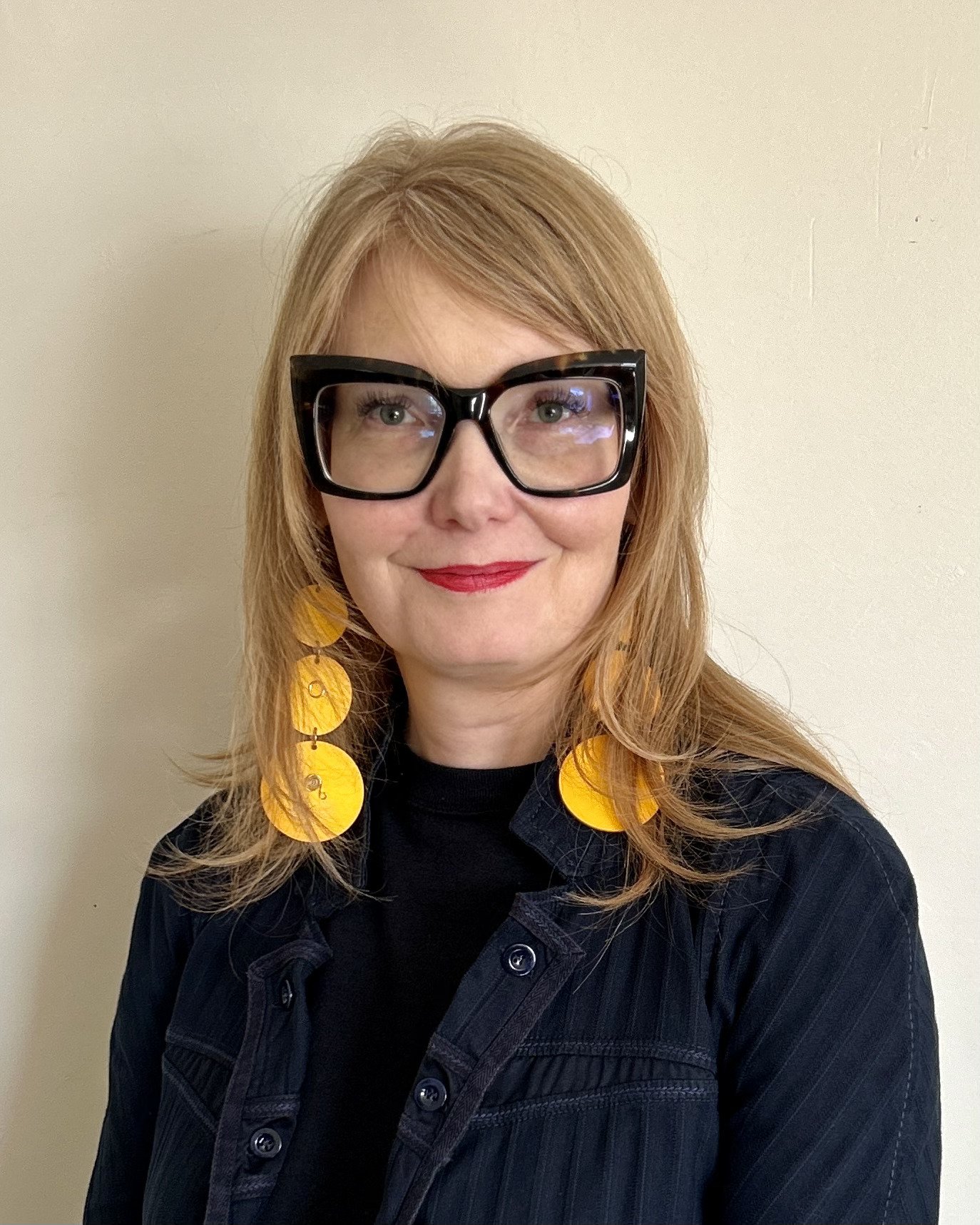
Sheena Wilson
Dr. Sheena Wilson is a Professor at the University of Alberta, member of the College of the Royal Society of Canada, Co-chair of the Energy Transition Climate Resilience Committee advisory to Edmonton’s municipal government (2018-2026), co-founder of the international Petrocultures Research Group. Her research focuses on intersectional and decolonial energy and climate justice.